

should victor create a mate for the creature
-
By Michael H. Karshls

As you may already know Mary Shelley collaborated with her husband Percy Shelley to create the novel Frankenstein you may have not known the process behind the finished product of the famous horror/gothic novel. From Cynthia Pon's essay '"Passages" in Mary Shelley's Frankenstein" she discusses a feminist point of view on the destruction of the woman monster in the novel Frankenstein. There is a section in her article that focuses on female criticism of the novel and the reasoning behind why the female monster was never brought to life.
Possible ideas on why the female monster was not brought to life…
- Mary Shelley had wanted to write about her life experiences and reflect the novel back to her infertility
- Mary Shelley was afraid to explore the idea of women in a male dominated society
- Mary Shelley let Percy Shelley take over her novel
- Mary Shelley believed it would have added too much to the plot
- Mary Shelley had already established Victor Frankenstein as the creator of the monster, the woman monster would have brought a disruption to the idea that science represents creation of life and a new world
There are many different ideas that I had in mind when thinking about why Mary Shelley chose to include the idea of a creation of a woman monster so that the male monster could have a companion and one day reproduce but, this idea never is brought out and actually happens. Cynthia Pon tries to explain the scene in the novel when the idea is brought up.
The text from Frankenstein expresses the uncertainties about the creation of the female monster because there is a fear as to what will happen if the female monster is created. Victor has already failed once as a parent figure to Frankenstein the monster, what will happen if he creates a woman monster? Will he once again not take responsibility for his creation? That is where Mary Shelley has created a flaw with the character Victor and his role as a creator and lack of being a parent figure that cares for and nurtures his offspring.
In what sense would the woman monster differ from the male monster?
In the novel Frankenstein Cynthia Pon acknowledges an important quote that can reflect upon the fears that the character Victor might have on the creation of the woman monster. "She, who in all probably was to become a thinking and reasoning animal, might refuse to comply with a pact made before her creation" (p. 178). Well, on one hand from this quote that was taken from the novel Frankenstein from Victor's point of view he believes that the woman monster would not have the ability to reason and think like the male monster that he has created and believes that the woman monster would act like an "animal" but, in what sense does Victor know how the woman monster would behave or react if he did not create her? He is predetermining the woman monster in a stereotypical male perspective of a woman and judges her based on pre-dispositioned ideas and notions that he has about women to being with.
However, these novels that do centralize Mrs. Frankenstein also place the woman monster as a possession of Frankenstein because she is married to him. Cynthia Pon would agree and say that the only way a feminist perspective would be present in a remake of the original Frankenstein would be to have Mrs. Frankenstein's character not only be a central focus but also be given a first name and to change her role as a wife to her own independent "monster" so to speak.
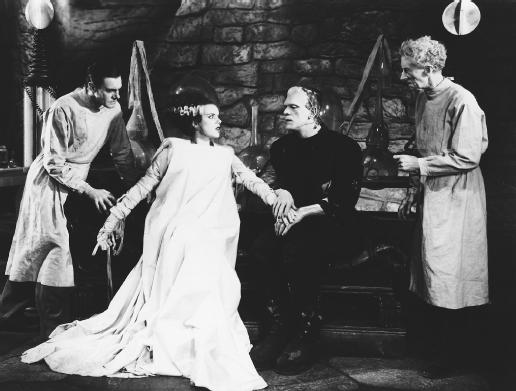
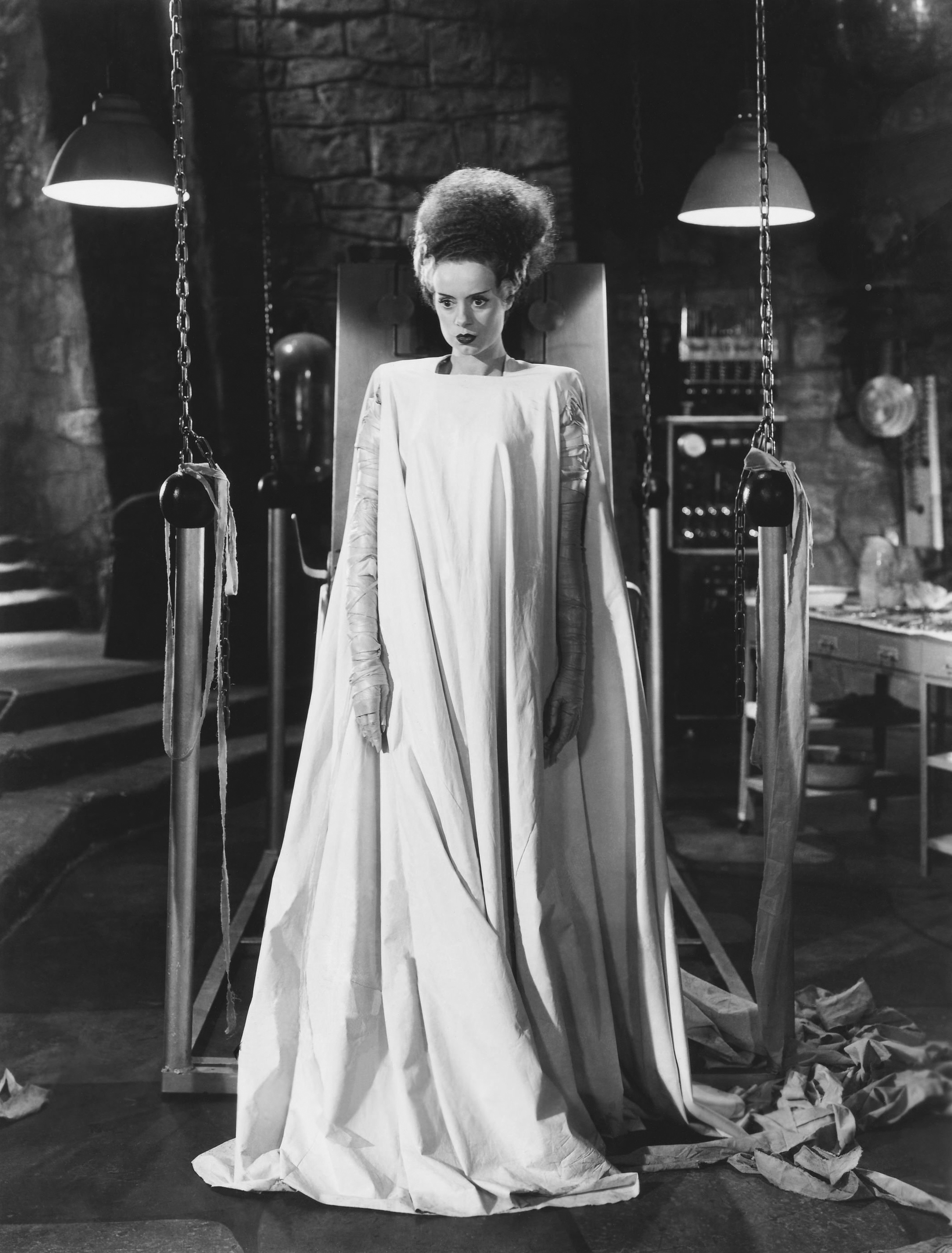
Here is a video I found on "The Bride of Frankenstein" that shows the creation of Mrs.Frankenstein if she were created by Victor but, in Mary Shelley's version she was not.
should victor create a mate for the creature
Source: http://theoryf16.qwriting.qc.cuny.edu/destruction-of-the-women-monster/
Posted by: blanknothad1946.blogspot.com
0 Response to "should victor create a mate for the creature"
Post a Comment